Most event organizers have an emergency response plan.
Very few have a good one.
The difference usually isn't budget. It isn't staffing levels. It isn't even experience. The difference is almost always the same thing: a plan built around how emergencies should happen rather than how they actually do.
Emergencies at events are loud, disorienting, and fast. Guests panic. Radio channels get jammed. Staff pull in different directions. The plan that looked airtight in a conference room falls apart the moment it meets a real crowd.
If you manage a venue, coordinate festivals, or run corporate events, here's how to build an emergency response plan that actually works when it matters most - and why MyEventAlly needs to be at the center of it.
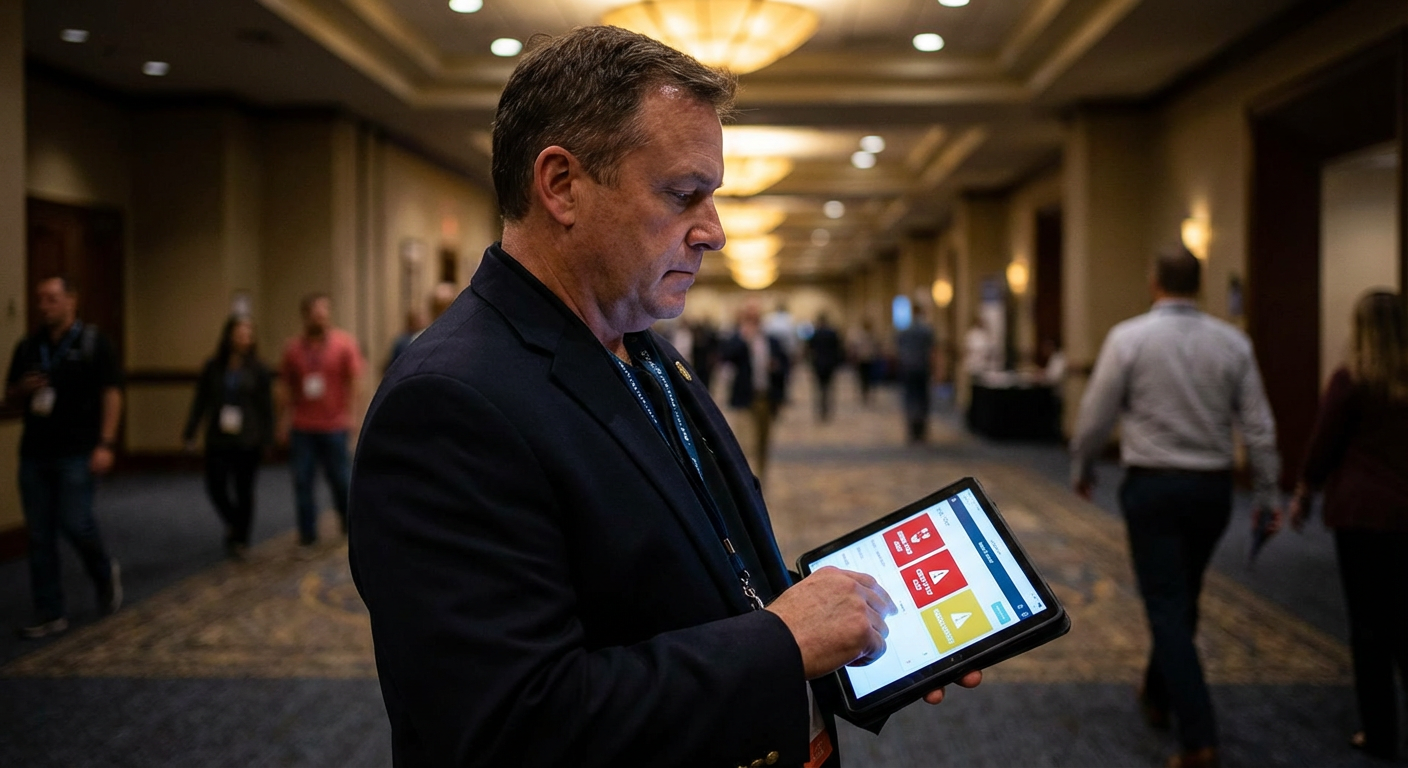 The gap between a plan on paper and a plan that works under pressure is almost always a communication problem.
Why Most Emergency Plans Fall Short
Walk through a typical event emergency without a modern system in place:
A guest has a medical episode near the concession area. A bystander flags down a volunteer. The volunteer relays the information over a crowded radio channel to the coordinator on duty. The coordinator tries to reach the medical team - but they're already responding to something near the main entrance. Two minutes pass. Three. The guest's friends are waving their arms trying to guide someone, anyone, toward the right spot.
By the time help arrives, the situation has escalated. Not because no one cared. Not because no one was there. But because the system for getting the right information to the right people failed under pressure.
That's the gap most emergency plans don't address: the communication layer between the moment something happens and the moment help arrives.
Step 1: Build Around a Single Alert System
The first and most important decision in any emergency response plan is choosing one primary channel for incident reporting - and committing to it completely.
MyEventAlly is that channel. When a guest sends an alert through the app, your entire safety team receives it simultaneously: location, text description, photos, and a 20-second voice recording. No relay. No interpretation. No information lost between a panicked guest and a dispatcher trying to translate a vague radio call.
Every coordinator, security lead, and medical responder should be trained to treat MyEventAlly as the source of truth for active incidents. When alerts flow through one system, nothing gets missed, nothing gets duplicated, and your team can triage multiple incidents at once without confusion.
Before your next event, run a drill. Send a test alert. Walk your team through how information flows from the moment a guest sends it to the moment a responder is on the move. That ten-minute exercise will expose gaps you didn't know existed.
Step 2: Give Your Team Location, Not Descriptions
The single biggest time drain in live emergency response is orientation - figuring out where to go.
A guest saying "I'm near the stage" at a 10,000-person festival is not useful information. A pin on a map is. MyEventAlly's real-time location sharing means that the moment a guest sends an alert, your team knows exactly where they are - not a section, not a landmark, an exact position they can navigate to directly.
For outdoor events - festivals, fairs, open-air markets, outdoor arenas - GPS performs at its best. Clear sightlines mean accurate, reliable positioning your team can act on immediately.
Build your response protocols around this. Train your team to open the dashboard, read the pin, identify the fastest path, and move - in that order. The less time spent orienting, the more time spent responding.
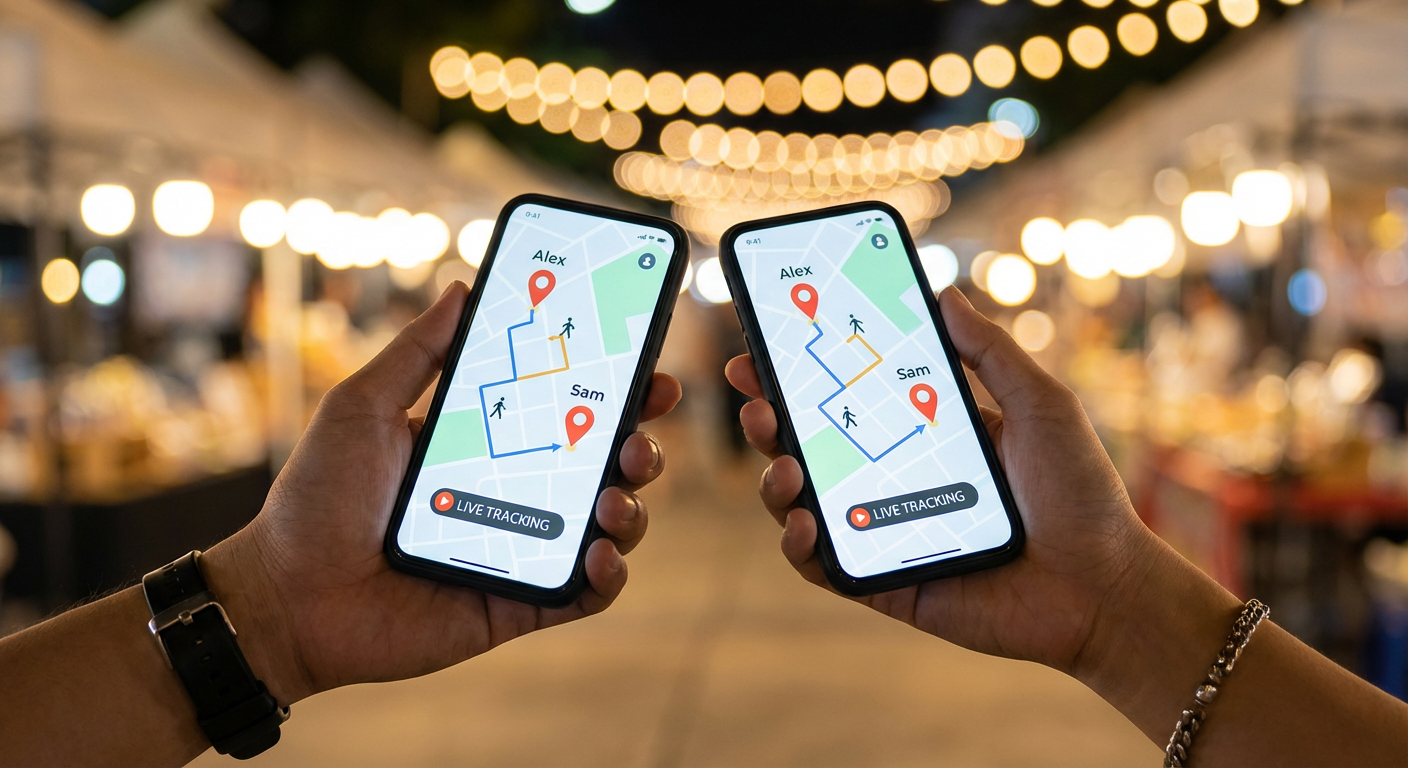 A pin on a map eliminates the back-and-forth that costs minutes in real emergencies.
Step 3: Equip Responders With Context Before They Arrive
One of the most overlooked advantages of a modern alert system is what it tells your team before they reach the scene.
With MyEventAlly, a medical responder heading toward an alert already knows whether the guest reported dizziness versus a fall versus a visible injury. They've seen the photo. They've heard the 20-second voice clip. They know if the situation is likely to need additional backup or if it's manageable with the resources already en route.
That pre-arrival context changes everything. It means your team arrives prepared - not walking into an unknown situation cold. It means they can call for backup before they get there if they need it, rather than after they assess on the ground. And it means faster, more confident decisions at the moment of contact.
Build this into your training: responders should review the alert details while moving, so they hit the ground running.
Step 4: Connect Security and Medical From the Start
At most events, security and medical operate as parallel tracks that only intersect when a situation requires both - and by then, critical time has already been lost.
A shared alert system eliminates that silo. When both teams receive the same MyEventAlly alert simultaneously, they can coordinate in real time. Medical knows security is already on the move. Security knows medical is 90 seconds out and to hold the perimeter. Neither team is waiting for a hand-off that should have happened two minutes ago.
In your emergency plan, define which alert types trigger a joint response, and make sure both teams know the protocol before the event starts. MyEventAlly gives you the shared visibility to make that coordination seamless - but the protocol itself has to be built in advance.
Step 5: Make the Plan Accessible to Guests, Not Just Staff
An emergency response plan that only lives in your staff's heads isn't a complete plan. Guests are your first line of awareness - they see things before your team does, and they're often in the best position to send the first alert.
That only works if they know how.
Make MyEventAlly part of your guest onboarding. Include the download prompt on digital tickets, in the confirmation email, at the entry gates. Keep the messaging simple: "Download MyEventAlly for direct access to our safety team during the event. It's free."
The more guests who have the app before they walk in, the broader your early warning network. A guest who spots a problem and can report it instantly - with location, photo, and context - is an extension of your safety team, whether they know it or not.
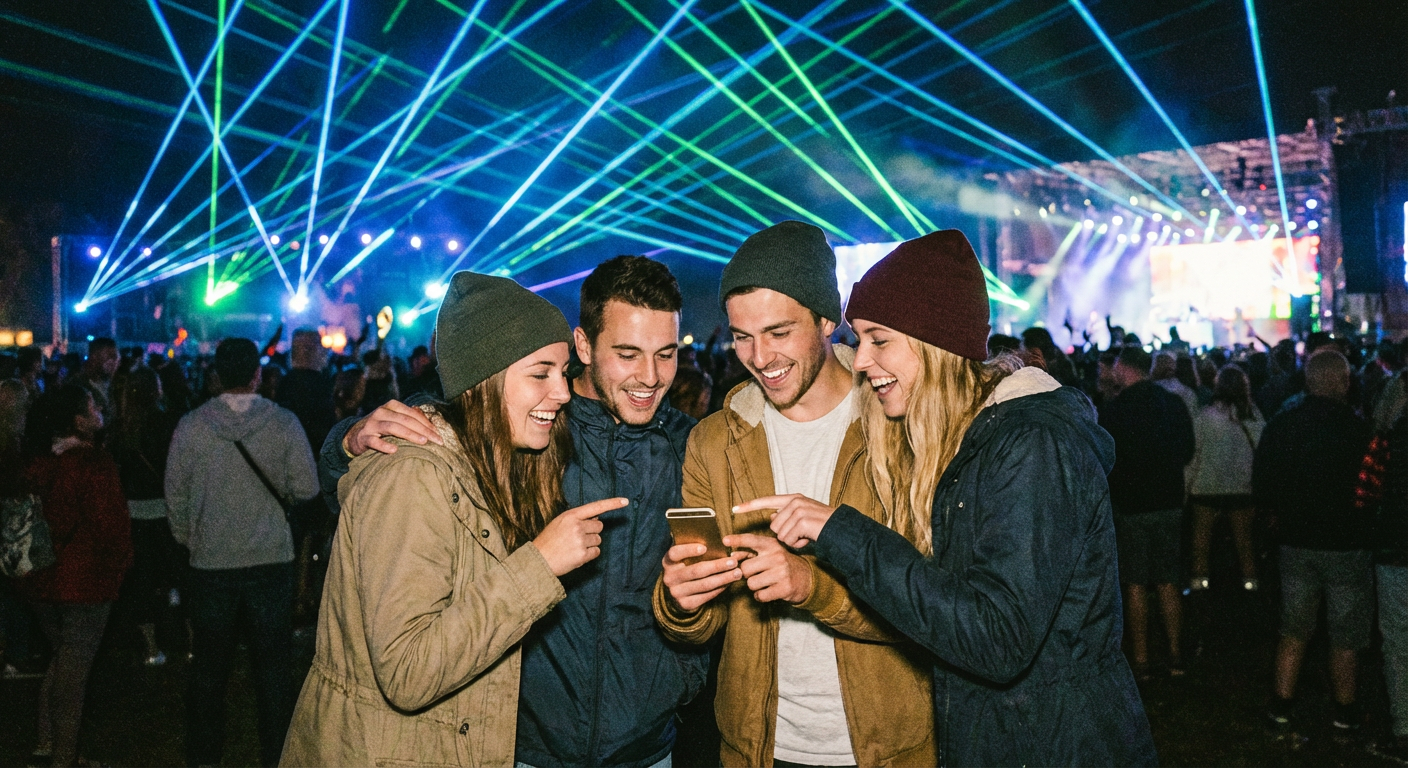 Every guest with the app is another node in your safety network - eyes and ears your staff can never fully replace.
Step 6: Use Every Event to Improve the Next One
A strong emergency response plan isn't static. It evolves with every event you run.
MyEventAlly creates a record of every alert: when it was sent, where it came from, how quickly your team responded, and how the situation was resolved. After each event, review that data. Look for patterns - specific zones that generate more incidents, time windows with higher alert volume, response times that are slower than they should be.
That information is the foundation of a smarter plan for your next event. Adjust your staffing positions. Add signage in high-incident areas. Tighten your drill schedule. Let real data drive real decisions, not post-event memory and guesswork.
What a Strong Emergency Response Plan Looks Like
When you put this all together, here's what it looks like in practice:
- One alert system - MyEventAlly - that every staff member is trained on before doors open
- Location-first response protocols that get responders moving directly to the right spot
- Pre-arrival context built into how your team reads and acts on alerts
- Joint security and medical coordination defined in advance, not improvised on the night
- Guest-facing onboarding that turns every attendee into an early warning node
- Post-event data review that feeds directly into planning for the next event
This isn't a fortress. It's a system - one that runs quietly in the background, gives your team the information they need the moment they need it, and makes your event safer without making it feel like a security operation.
The Bottom Line
Emergency response plans don't fail because event organizers don't care. They fail because the tools weren't built for how emergencies actually happen.
MyEventAlly was built specifically for this problem - giving guests a direct line to your safety team, giving your team real-time location and context, and giving you the data to keep getting better. It's free for every attendee at every participating event, and it's ready to be the backbone of your emergency response plan.
If you're a venue manager, festival organizer, or corporate event coordinator who wants to be part of building a safer event experience from the ground up - we want to hear from you.
MyEventAlly is preparing to go live, and we're looking for volunteer early adopters to be the first to put it to work at a real event. You'll get hands-on access to the platform before anyone else, direct input into how it evolves, and a safety system that's ready to perform from day one.
MyEventAlly is developed by Stratagem 98 LLC, an Indianapolis-based event app company. The platform is available at no cost to attendees at participating events. See MyEventAlly use cases →